
Tablet Physical Testing
Hardness
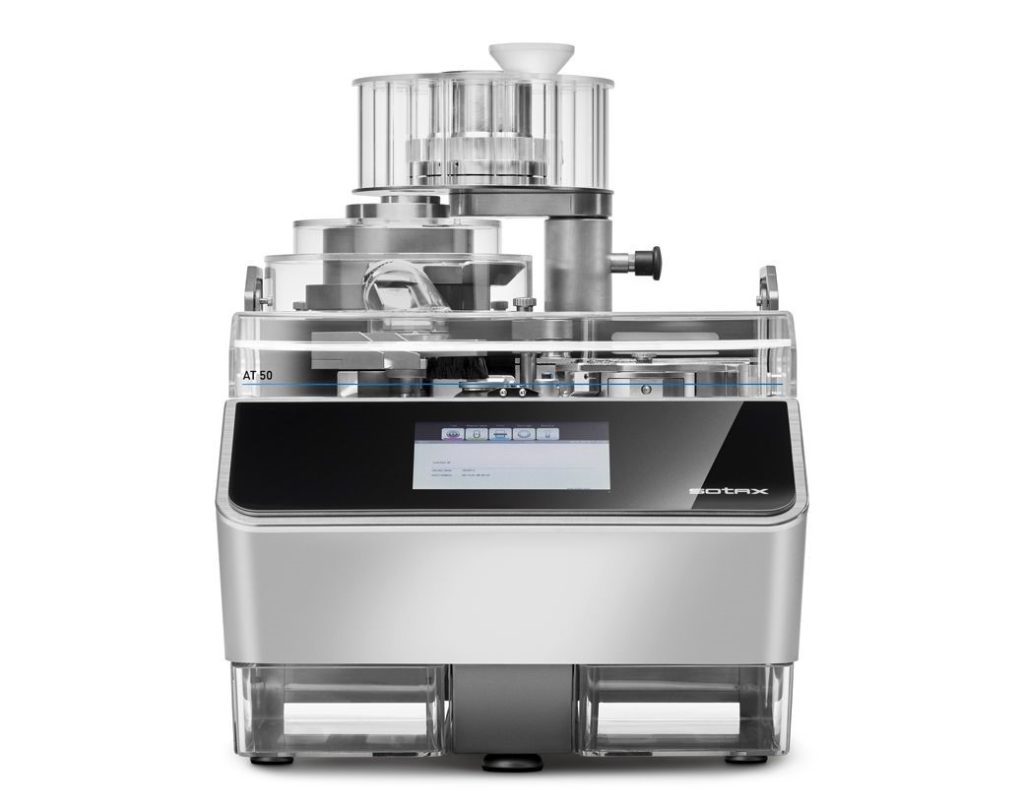
A tablet hardness tester - sometimes also referred to as tablet breaking force tester (USP ) or resistance to crushing strength tester (Ph. Eur. 2.9.8) - measures the mechanical integrity of a tablet. SOTAX tablet hardness testers with precision Dr. Schleuniger® measuring technology, standard-setting user friendliness, and robust Swiss quality components guarantee highest accuracy and test results you can rely on. Since 1972, reliable testing of virtually all tablet shapes from round to oval, convex oblong, and special shapes has made our systems the preferred choice of leading Pharmaceutical companies in R&D, QC, and IPC all over the world.
Disintegration
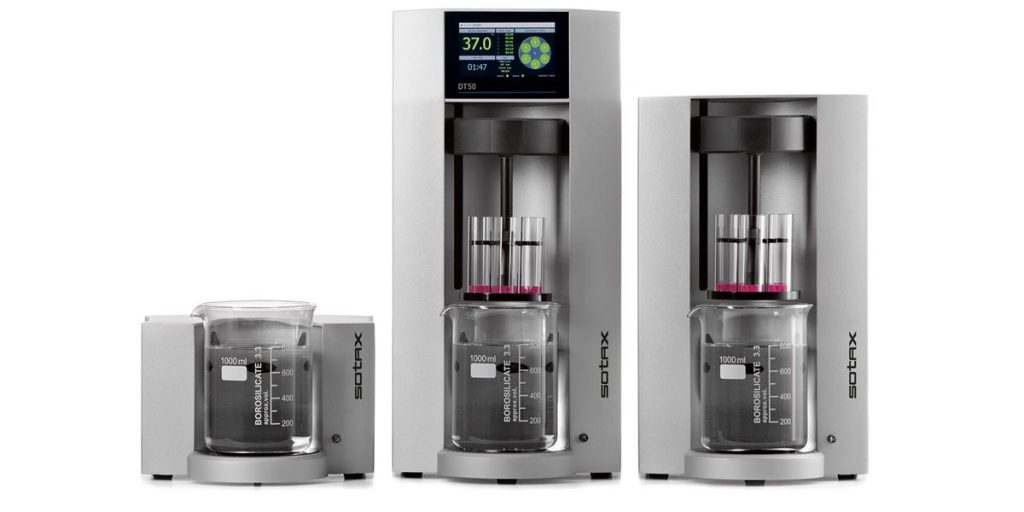
A tablet disintegration tester determines whether tablets or capsules disintegrate within a defined period of time when placed in a liquid medium. Compliant design according to current Pharmacopeia (USP , USP , Ph. Eur. 2.9.1) and robust Swiss quality components provide a reproducible and standardized method of ensuring that complete disintegration has taken place. Innovative automated end-point detection and recording of individual disintegration times per sample allow unattended testing without manual observation by operators.
Friability
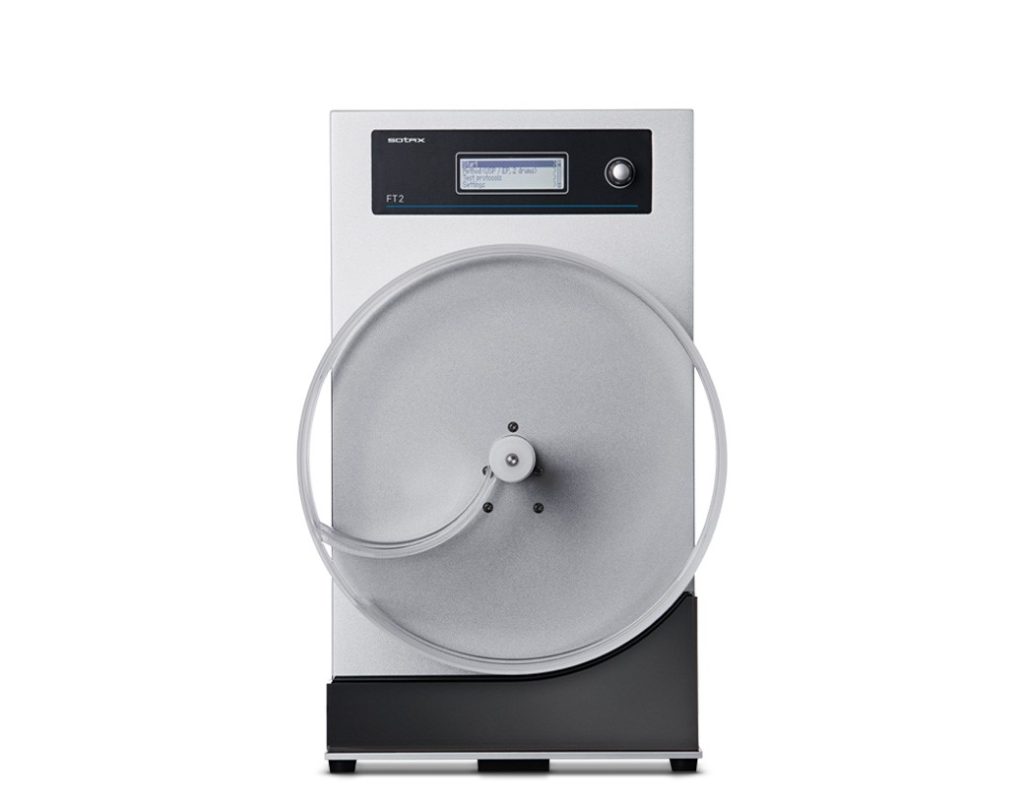
Friability describes the mass reduction of a solid dosage form such as compressed, uncoated tablets occurring when subjected to mechanical strain during handling such as tumbling, vibration, or rubbing in a blister packaging. According to USP and Ph. Eur. 2.9.7, a maximum mean weight loss of not more than one percent (1%) is considered acceptable for most products. Effervescent tablets and chewable tablets may have different specifications for friability. Measurement of tablet friability supplements other physical strength measurements such as abrasion tests and tablet hardnesss measuring (breaking force determination).
Weight
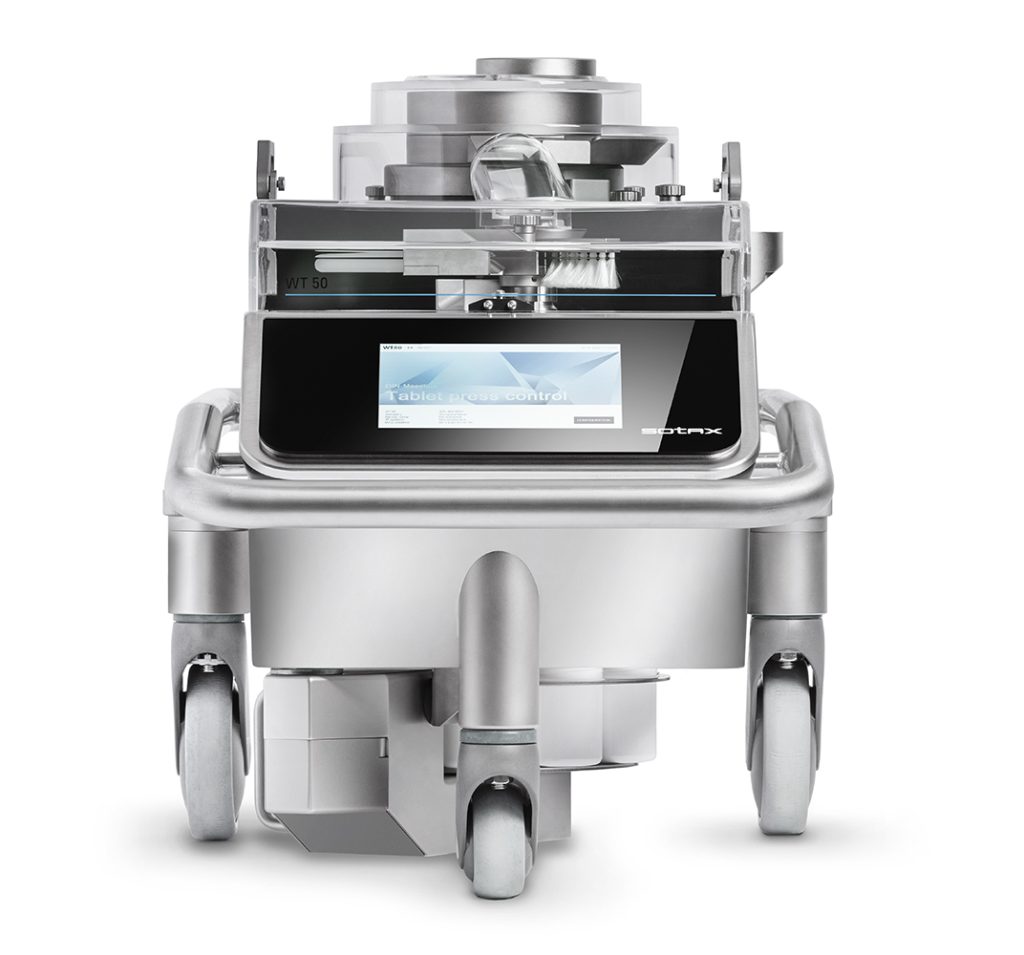
Weighing is one of the most important processes in every pharmaceutical company. Every ingredient that is used for manufacturing a pharmaceutical product such as tablets and capsules must be weighed accurately so that the recipe - and finally the product quality - is not compromised. While weight checks are performed throughout all stages of the production process, weight testing at regular time intervals is essential for in-process control (IPC) during tablet compression or capsule filling. International Pharmacopeia include weighing as an integral part of different type of testing methods. Other chapters such as USP and USP cover guidelines for the weighing equipment used and aim to ensure weighing accuracy - or state that the type and frequency of balance checks should be determined by the risk and process tolerance of the application.

Tapped Density
Tapped density of powders or granulates is an increased bulk density attained after mechanically tapping a cylinder containing the sample. SOTAX tapped density testers combine Method 1 and Method 2 with different stroke heights (drop) as described in United States Pharmacopeia (USP ) and European Pharmacopoeia (Ph. Eur. 2.9.34) in one compact unit. Comparison of the bulk and tapped densities with Compressibility Index and Hausner Ratio indicate the ability of the powder to flow and settle.
Flowability
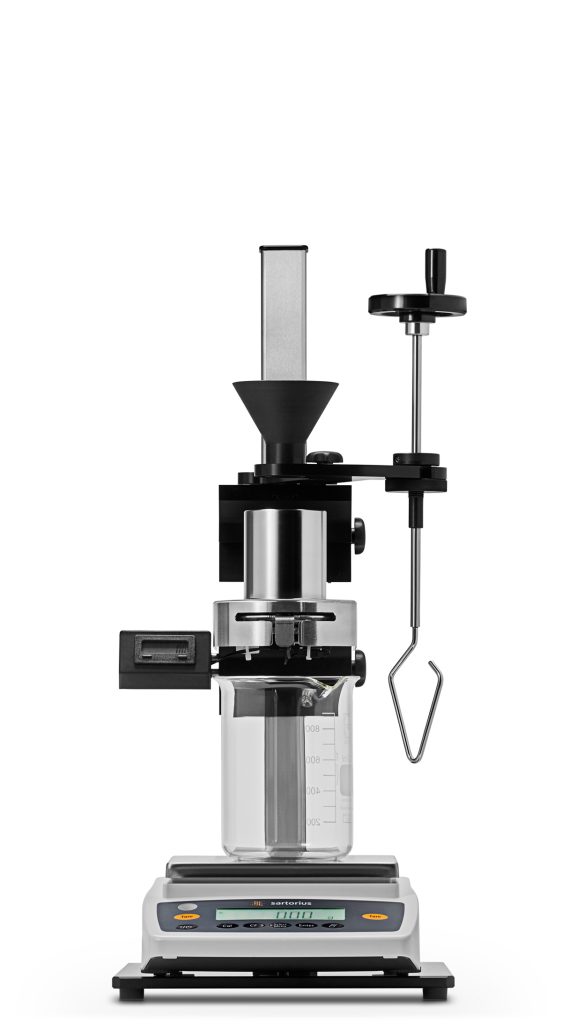
Characterizing the flow properties of powders and granulates with standardized test methods is essential in pharmaceutical manufacturing. Different "Angle of Repose" and "Flow through an Orifice" type tests are described in Pharmacopeia (USP and Ph. Eur. 2.9.36). As typically no single test method can adequately characterize the flow properties of pharmaceutical powders, the SOTAX flowability tester combines three (3) standardized testing methods in one robust and versatile unit.
Cap Torque
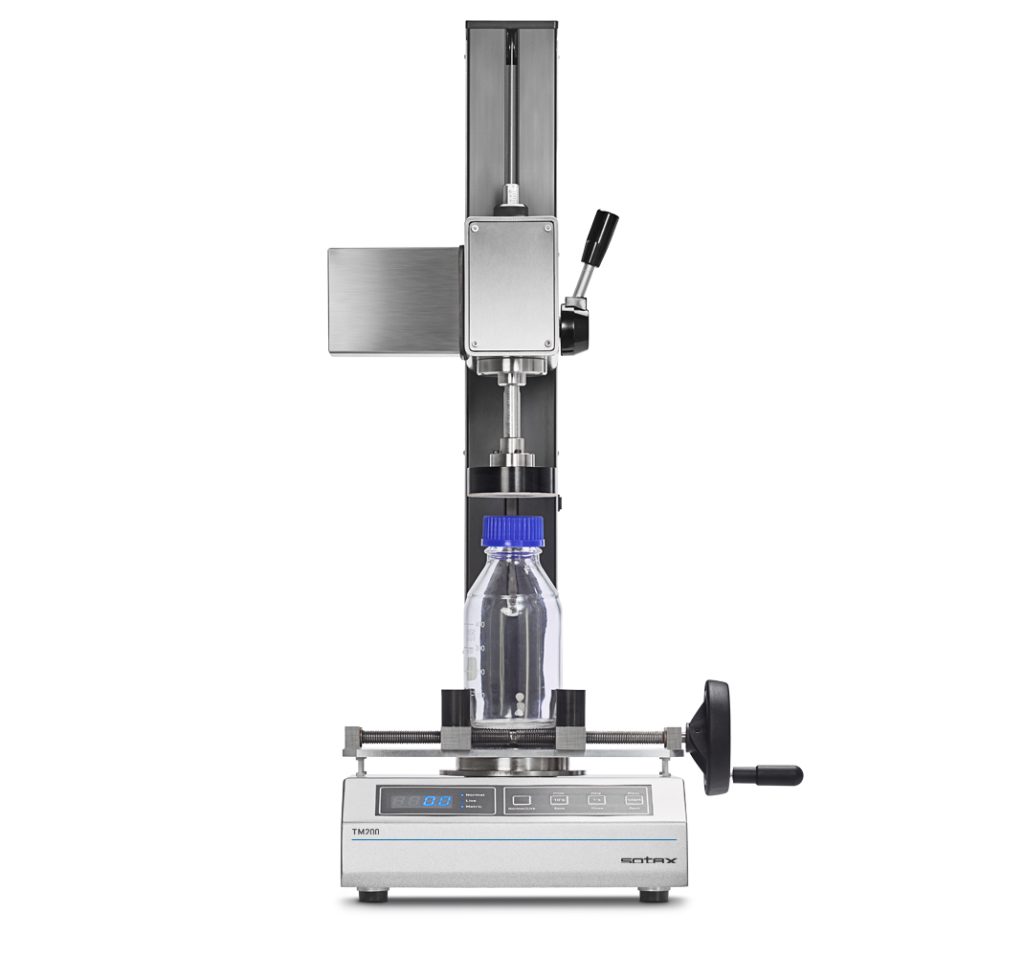
Child-resistant packaging or C-R packaging has special closures designed to reduce the risk of children ingesting dangerous items. This is often accomplished by the use of a special safety cap. It is required by regulation for prescription drugs, over-the-counter medications, pesticides, and household chemicals. Cap torque testing is performed for both conventional closures and child-resistant bottle caps. In case of liquids, the lower torque limit is considered the minimum pressure of the cap to avoid any leak of the product. The higher torque limit is the maximum force the customer can apply to open or close the product's cap.
Software
Actively managing your data saves costs and ensures regulatory compliance. Avoid error-prone manual transcription of test results and other time-consuming activities to consolidate test protocols. Depending on your data management requirements, test systems can be operated stand-alone or networked, allowing you to flexibly choose your desired level of integration.
Tablet Physical Testing Instruments for Pharmaceutical Quality Control
Tablet physical testing instruments are essential for pharmaceutical laboratories that require accurate and consistent evaluation of tablet quality. At Ophir Analytical, we provide tablet physical testing instruments for laboratories involved in formulation, production support, and pharmaceutical quality control.
Why Tablet Physical Testing Instruments Are Important
Tablet physical testing instruments are used to measure critical tablet properties such as hardness, friability, thickness, diameter, and weight. These measurements help laboratories confirm that tablets meet required quality standards before packaging, distribution, and use.
In pharmaceutical environments, reliable tablet physical testing instruments improve confidence in product consistency and help laboratories maintain high testing accuracy.
Key Benefits of Tablet Physical Testing Instruments
Professional tablet physical testing instruments support both analytical precision and workflow efficiency.
Accurate Quality Control Measurements
Tablet physical testing instruments allow laboratories to evaluate physical tablet properties with precision, helping support better quality control decisions and stronger process reliability.
Consistent Results in Daily Laboratory Work
Consistent measurements are essential in pharmaceutical laboratories. High-quality tablet physical testing instruments reduce variability and support dependable daily testing.
Why Choose Ophir Analytical
At Ophir Analytical, we offer tablet physical testing instruments selected for professional performance, repeatable results, and practical laboratory use. Our solutions help pharmaceutical laboratories improve testing confidence, support regulatory workflows, and maintain product quality standards.
Explore our tablet physical testing instruments to strengthen your pharmaceutical QC process with reliable and accurate laboratory solutions.