
Dissolution testing is one of the most important quality control tests for solid oral dosage forms. It measures how much active ingredient a tablet or capsule releases over time under controlled conditions. For pharmaceutical laboratories in Israel, a reliable dissolution test supports batch release, formulation development, stability studies and regulatory submissions.
What Dissolution Testing Shows
The body can only absorb a drug after it dissolves. The dissolution profile therefore links the physical properties of a product, such as particle size, granulation, compression force and coating, to its expected performance in the body. During development, dissolution data helps compare formulations. In routine QC, dissolution testing confirms that every batch behaves like the approved batches.
USP Dissolution Apparatus Types
USP chapter <711> and Ph. Eur. 2.9.3 describe standardized apparatus, so laboratories can compare their results:
- Apparatus 1 (basket): the dosage form sits in a rotating mesh basket. Common for capsules and products that tend to float.
- Apparatus 2 (paddle): a rotating paddle stirs the medium in the vessel. The most widely used setup for immediate release tablets.
- Apparatus 3 (reciprocating cylinder): the sample moves up and down through a series of media, useful for extended release products and pH gradient studies.
- Apparatus 4 (flow-through cell): a pump moves fresh medium through a cell that holds the sample. Suited to poorly soluble drugs, implants, powders and other special dosage forms.
USP also defines apparatus 5 to 7 for transdermal systems and other special cases, described in chapter <724>.

Apparatus at a Glance
| Apparatus | Principle | Typical use |
|---|---|---|
| 1 (basket) | Rotating mesh basket | Capsules and floating products |
| 2 (paddle) | Rotating paddle in the vessel | Immediate release tablets |
| 3 (reciprocating cylinder) | Sample moves through a series of media | Extended release and pH gradient studies |
| 4 (flow through cell) | Fresh medium pumped through a cell | Poorly soluble drugs and special dosage forms |
Key Conditions in Dissolution Testing
Small deviations in setup can change the result. For this reason, the method controls several parameters:
- Temperature: for oral dosage forms, the bath keeps the medium at 37 ± 0.5°C.
- Medium and volume: buffers that represent the pH range of the gastrointestinal tract, often 900 mL per vessel.
- Rotation speed: typical values are 50 or 75 rpm for paddles and 100 rpm for baskets, as stated in the monograph or validated method.
- Deaeration: dissolved air can form bubbles on the tablet or basket and slow the release.
- Sampling times: the analyst or autosampler withdraws samples at fixed points and filters them right away.
Acceptance Criteria
For immediate release products, the laboratory evaluates results against a Q value, the amount of dissolved active ingredient specified in the monograph. Testing runs in stages. At stage S1, the analyst tests six units, and each must reach at least Q + 5%. If S1 fails, the next stage adds six more units (S2), and if needed another twelve (S3). In addition, these stages apply criteria to both the average and the individual units.
Analysis of Dissolution Samples
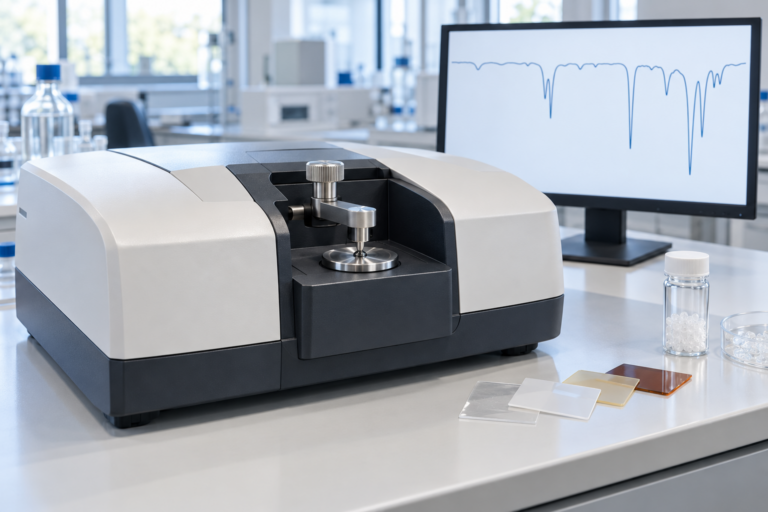
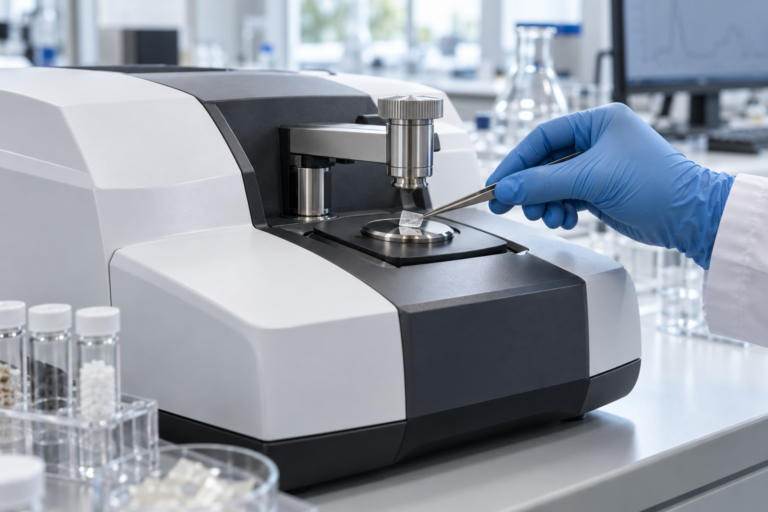
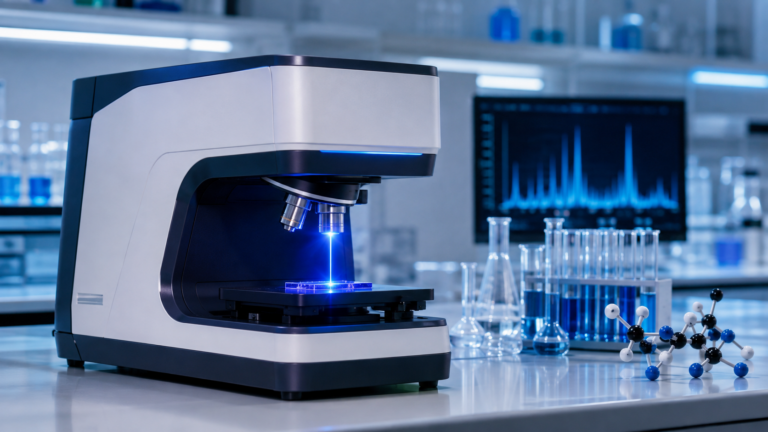
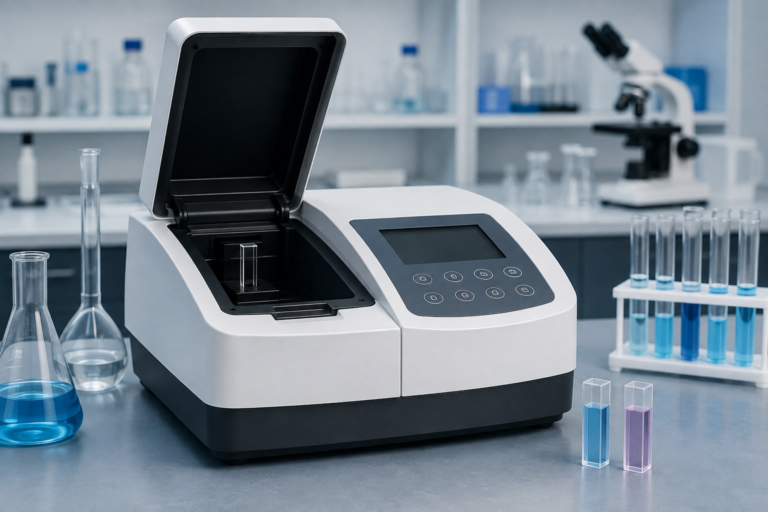
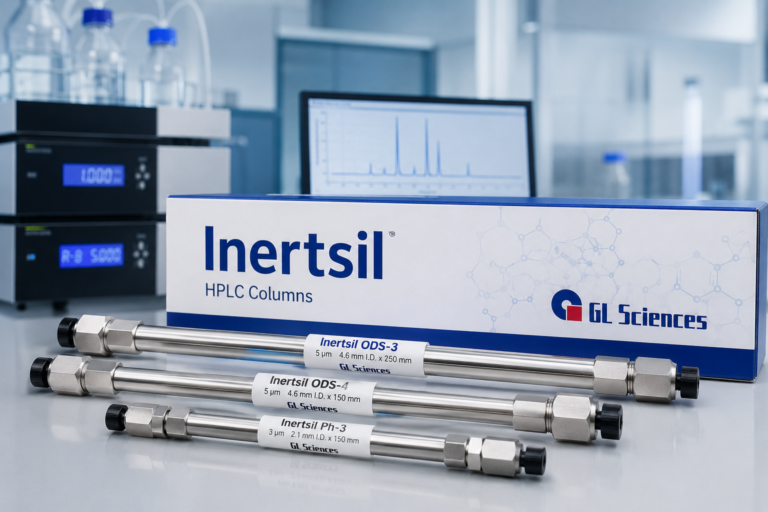
Laboratories usually quantify dissolution samples by UV/Vis spectrophotometry or by HPLC. UV is fast and simple when the active ingredient absorbs well and the excipients do not interfere. However, HPLC is the better choice for combination products or when the method needs higher selectivity. Read more about spectrophotometers and our chromatography solutions.
Automation in Dissolution Testing
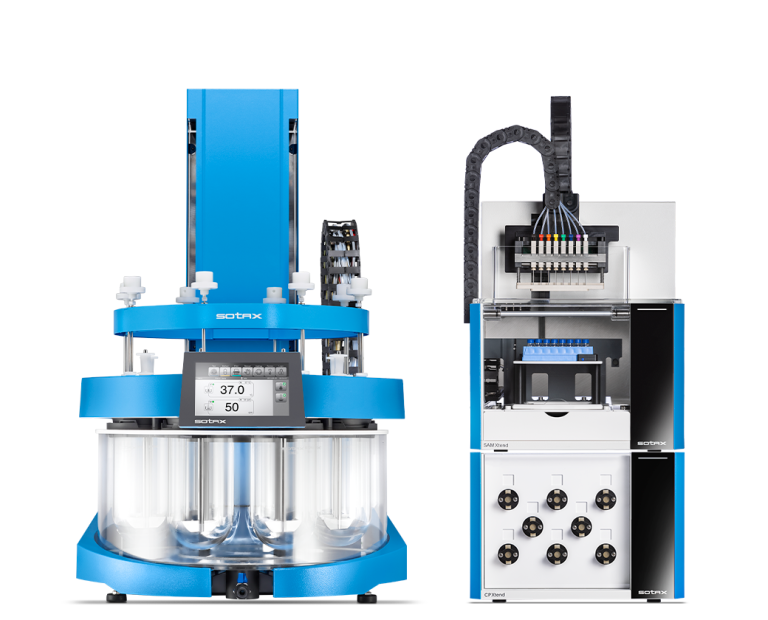
Manual sampling takes time and is also a common source of variability in dissolution testing. Automated systems take samples simultaneously from all vessels, filter them and transfer them to tubes or vials, or directly to an online analyzer. Moreover, software with audit trails and user management supports compliance with 21 CFR Part 11 requirements.
Performance Verification and Maintenance
Reliable dissolution testing starts with a qualified instrument. Laboratories perform mechanical calibration of shaft wobble, centering, height and rotation speed, and many also run a performance verification test with USP reference tablets. In addition, clean vessels, intact baskets and calibrated temperature probes are just as important.
Frequently Asked Questions
What is the difference between dissolution and disintegration testing?
Disintegration checks whether a dosage form breaks apart within a set time. Dissolution measures how much active ingredient goes into solution over time, which gives a more detailed picture of drug release.
Which apparatus should I choose?
The monograph or the validated method defines the apparatus. Paddle and basket are the most common, while apparatus 3 and 4 serve special formulations.
How often should a dissolution tester be calibrated?
Laboratories set the interval in their quality system, usually with periodic mechanical calibration and, in many cases, performance verification testing.
Dissolution Systems from Ophir Analytical
Ophir Analytical represents SOTAX in Israel and supplies dissolution testers for USP apparatus 1 to 7, including flow-through cell systems and automated sampling solutions, together with local service and support. See the full range on our dissolution systems page or contact us to discuss the right setup for your laboratory.