Exploring the Role of IR in Analytical Instruments
Infrared (IR) technology has become an indispensable tool in analytical and research laboratories. With its ability to provide rapid and accurate analysis, it plays a pivotal role in identifying chemical compounds and determining their structures. In this article, we explore the various facets of this technology and its wide application range.
Table of Contents
- What Is Infrared Technology?
- How Does Spectroscopy Work?
- Applications in Analytical Laboratories
- Advantages of Using Infrared Spectroscopy
- Types of Infrared Spectroscopy
- Future Trends
- Challenges and Limitations
- Selecting the Right Instrument
- Understanding Spectral Interpretation
- The Rise of Hyperspectral Imaging
- Integration with Artificial Intelligence
- Combining Techniques for Enhanced Accuracy
- Training for Maximum Technology Use
- Frequently Asked Questions About Infrared Technology
- Conclusion
What Is Infrared Technology?
Infrared technology refers to the use of infrared light, which is a part of the electromagnetic spectrum characterized by longer wavelengths than visible light. Within the field of analytical chemistry, this form of spectroscopy is a technique used to identify molecular structures by measuring the absorption of this light. This method provides valuable information on molecular vibrations and, consequently, the structural characteristics of the compounds being analyzed.
How Does Spectroscopy Work?
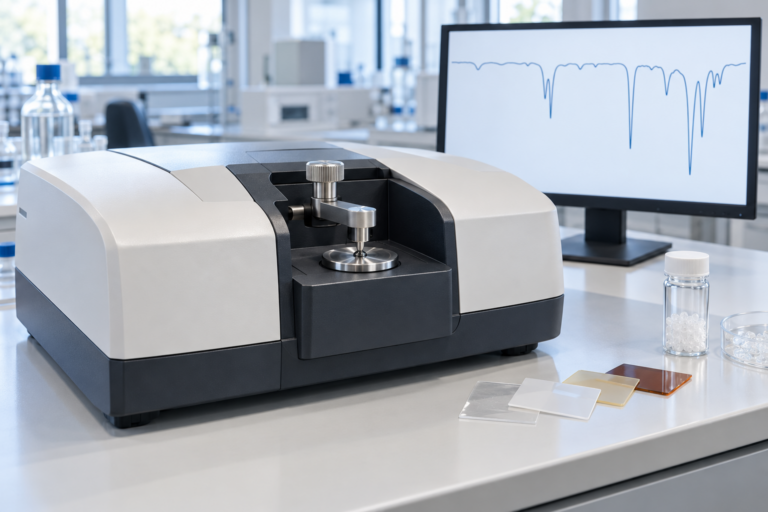
The fundamental principle behind infrared spectroscopy is the interaction between infrared light and matter. When this light is directed at a sample, certain wavelengths are absorbed, while others are transmitted. The resultant absorption spectrum serves as a fingerprint unique to each molecule, enabling the identification of specific functional groups. This ability to assess molecular structures efficiently makes it a vital tool in laboratories.
Applications in Analytical Laboratories
Infrared spectroscopy has a broad spectrum of applications. In the pharmaceutical industry, it is commonly used for the identification of raw materials and the detection of impurities. In forensic science, this technique helps in the analysis of fibers, paints, and other materials relevant to criminal investigations. Additionally, manufacturers of specialty chemicals and polymers employ this method to monitor product quality and consistency.
Advantages of Using Infrared Spectroscopy
There are several advantages to using infrared technology in analytical processes. Firstly, it is a non-destructive technique, allowing samples to remain intact for further examination. Furthermore, it is rapid, providing real-time data and enhancing productivity in laboratories. The accuracy and precision of the technique ensure reliable results, crucial for critical applications such as drug development and environmental testing.
Types of Infrared Spectroscopy
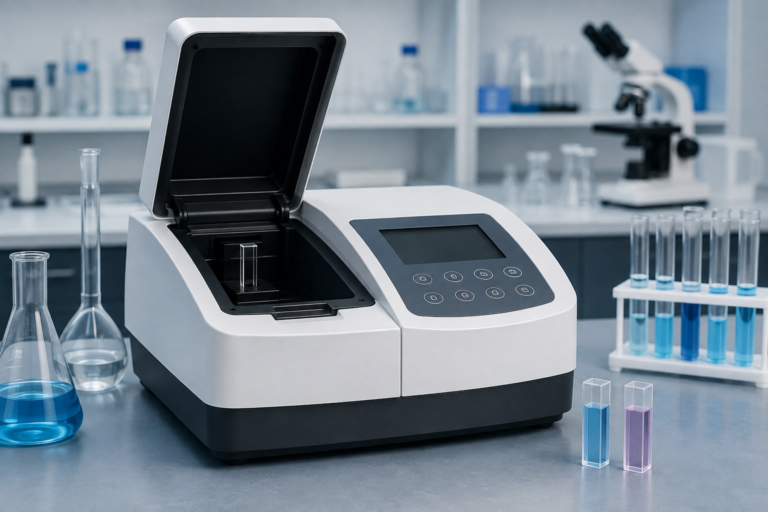
There are various types of infrared spectroscopic techniques that cater to different analytical needs. Fourier-transform infrared (FTIR) spectroscopy is one of the most prevalent forms, known for its high-resolution spectra and speed. Near-infrared (NIR) and mid-infrared (MIR) technologies are also commonly used, each with unique capabilities for different analytical applications. Spectrophotometer tools that incorporate these technologies provide broad versatility for researchers and analysts.
Future Trends
The future of infrared technology looks promising with ongoing advancements and integration with other technologies. The miniaturization of instruments facilitates portable and field applications, expanding usage beyond the confines of traditional laboratories. Additionally, integration with machine learning algorithms enhances data interpretation, paving the way for more efficient and intelligent analytical solutions.
Challenges and Limitations
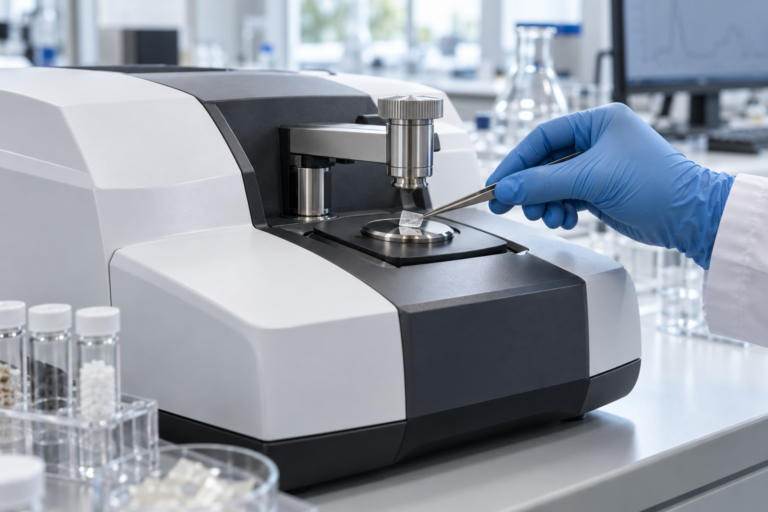
Despite its advantages, infrared technology also faces certain challenges. One of the significant limitations is that it may not effectively analyze all types of compounds, particularly those with similar structural features. Moreover, sample preparation requires precision to avoid inaccuracies. While these limitations exist, continuous research and development are leading to solutions that mitigate these challenges.
Selecting the Right Instrument
Choosing the appropriate instrument is crucial and depends on several factors, including the specific application, required resolution, and budget constraints. Laboratories must evaluate their needs and match them with the capabilities of Raman spectrometers and related instruments to optimize their operations effectively.
Understanding Spectral Interpretation
Spectral interpretation is a critical component of analysis. It involves understanding and identifying the characteristic peaks within the absorption spectrum, which correspond to specific molecular vibrations. Expertise in spectral interpretation enables analysts to extract meaningful and accurate information, critical in making informed decisions in various scientific and industrial domains.
The Rise of Hyperspectral Imaging
As infrared technology continues to evolve, one exciting trend is the development of hyperspectral imaging. Unlike traditional methods, which measure spectra from single points, hyperspectral imaging captures spectral data across a wide area, allowing for the analysis of complex samples with spatial variation. This advancement could revolutionize fields such as agriculture, where the ability to assess crop health or soil composition across large areas quickly can dramatically increase efficiency and yield. Hyperspectral imaging also holds promise in medical diagnostics, where non-invasive imaging could lead to earlier detection of diseases.
Integration with Artificial Intelligence
Another significant trend is the integration with artificial intelligence (AI). In research laboratories, AI can be used to automate the spectral analysis process, identifying materials and predicting their properties with minimal human intervention. This can significantly speed up research and development cycles and reduce the potential for human error. Laboratories that embrace AI-enhanced spectroscopy stand to benefit from faster data processing and more accurate interpretations, ensuring their competitive edge in rapidly advancing fields.
Combining Techniques for Enhanced Accuracy
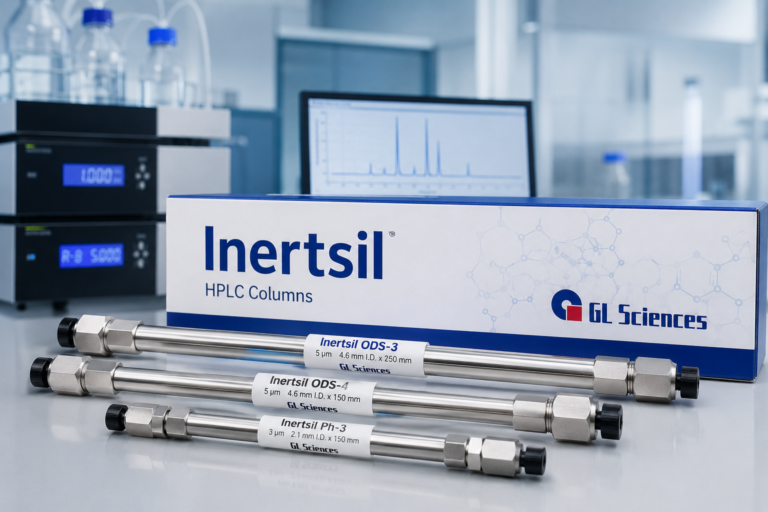
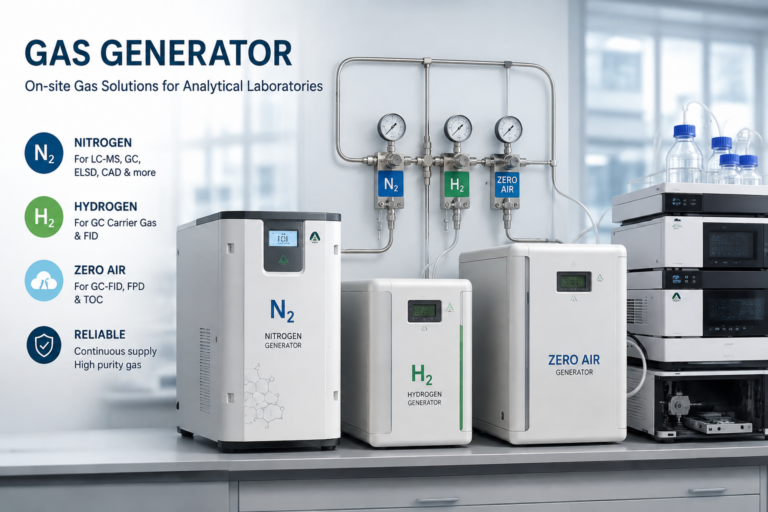
While infrared technology offers numerous benefits, understanding its limitations is crucial for accurate application. Complex mixtures can present challenges during analysis due to overlapping spectral features. For example, when analyzing environmental pollutants, the presence of multiple similar compounds can complicate the interpretation of spectra. In such cases, combining this with other techniques, such as gas chromatography, can help isolate and identify individual components more effectively. Gas generators for analytical laboratories can enhance the efficiency of these processes by providing a consistent and high-purity gas supply, crucial for maintaining the sensitivity and accuracy of combined techniques.
Training for Maximum Technology Use
Additionally, user expertise plays a significant role in the effectiveness of spectroscopy. Analysts must have a thorough understanding of spectral data and the proper methods for sample preparation. Laboratories can invest in training programs to ensure their staff can leverage this technology to its fullest potential, minimizing errors and maximizing the value of the data obtained.
Expanding upon these trends and addressing these challenges not only enhances the effectiveness of infrared technology but also underscores its essential role in innovation across multiple industries. By adopting these advancements and considering the full scope of its capabilities, industries can look forward to pioneering new applications and enhancing existing methodologies.
Frequently Asked Questions About Infrared Technology
What is the primary use of this technology in laboratories?
Infrared technology is primarily used for identifying and quantifying chemical compounds. It provides detailed molecular information, making it indispensable in pharmaceutical, forensic, and chemical industries.
How does this spectroscopy differ from other types of spectroscopy?
This type of spectroscopy focuses on the absorption of infrared light by molecules, offering insights into molecular vibrations. Other spectroscopic methods may use different light sources and measure different properties, such as ultraviolet-visible (UV-Vis) spectroscopy, which measures the absorption of visible and ultraviolet light.
Can this technology be used in field applications?
Yes, advancements have led to portable instruments that allow for field applications. These portable devices enable on-site analysis, increasing convenience and broadening the scope of potential applications.
What are the typical challenges when using this spectroscopy?
One common challenge is sample preparation, which must be precise to avoid inaccuracies. Additionally, interpreting complex spectra can require a high level of expertise.
Is this spectroscopy suitable for analyzing all types of samples?
While it is highly versatile, infrared spectroscopy may not be suitable for all samples, particularly those with similar functionalities that produce overlapping spectra. Alternatives or complementary techniques might be necessary in such cases.
How is the data from this spectroscopy typically interpreted?
Data from infrared spectroscopy is interpreted by analyzing the absorption peaks on the spectrum. Each peak corresponds to a specific molecular vibration, allowing for the determination of molecular structure and composition.
Conclusion
Infrared technology is a critical component of modern analytical laboratories, offering unparalleled precision and versatility in the identification and analysis of chemical compounds. With advancements in this field, especially the integration with newer technologies, its role is set to expand further, enhancing productivity and accuracy in scientific research and industrial applications. For laboratories aiming to leverage the full potential of this technology, it’s crucial to select the right instruments and ensure thorough training in spectral interpretation. For further guidance on implementing infrared technology in your lab, reach out to Ophir Analytical’s contact page.