Unlocking the Secrets of Molecular Vibrations
Fourier Transform Infrared Spectroscopy (FTIR) is a powerful analytical technique used in various industries to obtain an infrared spectrum of absorption or emission of a solid, liquid, or gas. Through the analysis of these spectra, it provides insights into molecular structures and compositions.
Table of Contents
- What is FTIR Technology?
- Applications of Across Industries
- Key Advantages of
- Incorporating in Laboratory Practices
- Understanding the Spectrum
- Limitations and Challenges of
- Conclusion: The Impact of on Modern Analysis
- Analyzing Complex Mixtures with
- in Forensic Applications
- System Calibration and Maintenance
- Frequently Asked Questions About
What is FTIR Technology?
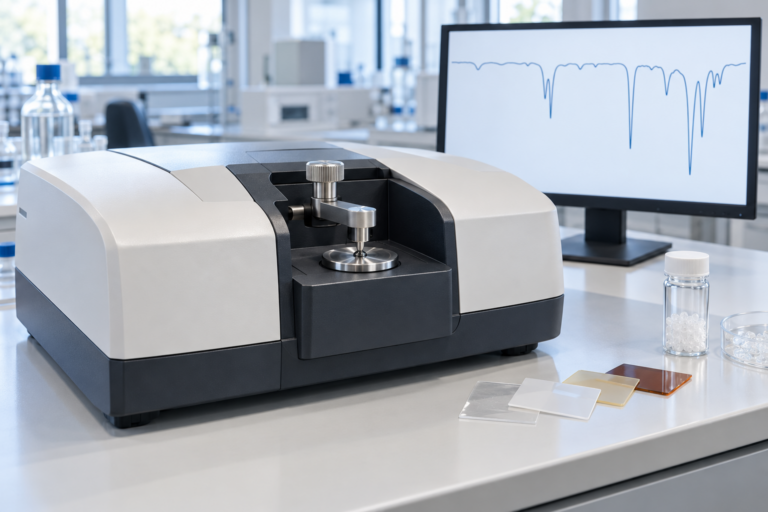
This technology is based on the principle of measuring the absorption of infrared radiation by molecules at different frequencies, corresponding to the vibrations of specific chemical bonds within the sample. At its core, FTIR involves passing an infrared light beam through a sample and detecting how much of each frequency is absorbed, which then helps identify and quantify different components in a substance.
A crucial element of the method is the interferometer, which combines beams of light in such a way that they interfere with each other, producing a complex interference pattern. This pattern is converted into a spectrum through a mathematical process called Fourier transformation, hence the name. This transformation enables precise analysis and interpretation of the spectrum to gather qualitative and quantitative data.
Applications of Across Industries
Chemical and Pharmaceutical Industries
In the chemical industry, this technique is widely used for quality control and assurance. It helps in identifying chemical substances and determining purity levels. In pharmaceuticals, it is essential for verifying the composition of drug compounds and ensuring compliance with industry standards. Techniques like Hydrogen bond analysis enable an understanding of compound interactions, crucial for drug development.
FTIR is one of several techniques covered on our spectroscopy instruments page, alongside UV-Vis, Raman and circular dichroism.
Environmental Monitoring
The approach plays a significant role in environmental science. It’s employed in the analysis of air and water samples to detect pollutants and monitor environmental safety. The technology effectively identifies volatile organic compounds (VOCs) and emissions from vehicles or industrial processes, providing critical data for environmental protection agencies.
Food and Agriculture
The food industry utilizes this analytical method for detecting adulterants, analyzing nutritional content, and ensuring food safety standards are met. In agriculture, it assists in soil analysis and fertility studies, helping farmers optimize crop yields by understanding soil composition and health.
in Research and Development
FTIR’s sensitivity to different organic and inorganic materials makes it invaluable in research settings. Laboratories use it to characterize materials, study biomolecules, and analyze polymers. In academic institutions, students learn about molecular structure through hands-on experiments, bridging the gap between theoretical chemistry and practical applications.
Key Advantages of
High Sensitivity and Precision
FTIR is known for its ability to detect minute sample quantities, making it a preferred method for detailed analysis. Its precision ensures that results are reliable and facilitate effective decision-making in industrial processes and research projects.
Non-Destructive Technique
One of the significant benefits of this method is that it is a non-destructive testing technique. This means that samples remain intact, which is particularly beneficial when dealing with rare or valuable samples.
Rapid Analysis
The technology allows for quick analysis with minimal sample preparation. This not only saves time but also increases throughput in testing laboratories, enhancing productivity.
Incorporating in Laboratory Practices
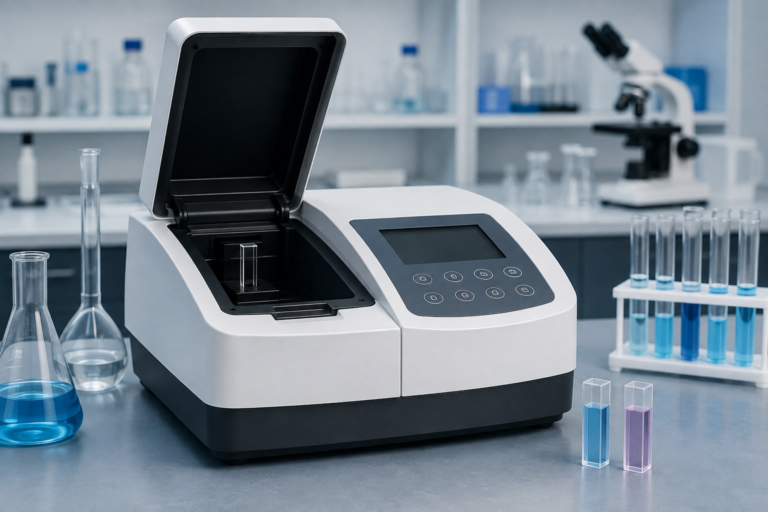
For laboratory professionals, choosing suitable equipment is essential for successful implementation. Instruments vary in complexity from portable devices for field analysis to advanced systems for detailed laboratory work. Technicians and analysts often receive specific training on how to operate the equipment effectively, ensuring that they understand both the potential and limitations of the tests they perform.
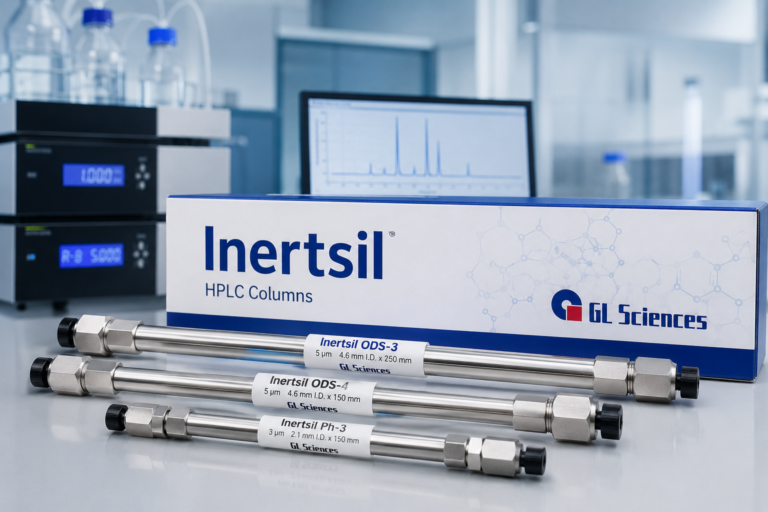
Our guide on choosing Inertsil HPLC Columns can be a helpful resource for those looking to integrate this method with other chromatographic approaches for comprehensive analytical solutions.
Understanding the Spectrum
An FTIR spectrum is a plotted graph showing transmittance or absorbance on the Y-axis and wave number on the X-axis. Each peak in the spectrum corresponds to a particular vibration, providing a fingerprint by which compounds can be identified. The analysis of these fingerprints helps in identifying unknown substances.
For instance, in polymer analysis, the method can differentiate between synthetic and natural polymers by scrutinizing their unique spectral patterns. Laboratories often rely on databases of IR spectra for comparison and identification purposes.
Limitations and Challenges of
Despite its many advantages, this technique does have certain limitations. The method is predominantly used for detecting functional groups in molecules, which means it may not provide complete structural elucidation without supplementary methods. Moreover, water present in samples can interfere with interpretation due to overlapping absorption bands, posing a challenge in certain applications.
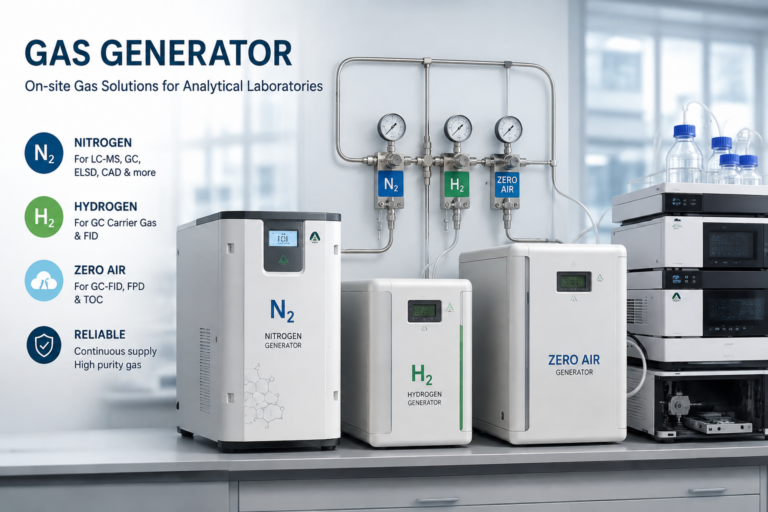
Nonetheless, these limitations do not overshadow its utility and impact across sectors. Solutions such as using Gas Generators for Analytical Laboratories can help mitigate the challenges by ensuring a stable, dry environment for testing.
Conclusion: The Impact of on Modern Analysis
FTIR remains a cornerstone in analytical techniques, offering versatility and accuracy unparalleled by many other methods. Its applications span various fields, from environmental science to pharmaceutical quality control, underscoring its critical role in advancing modern research and development. To explore how this technique can enhance your laboratory’s capabilities, contact Ophir Analytical’s service page for more information or to arrange a consultation with our experts.
Analyzing Complex Mixtures with
This method is highly effective in analyzing complex mixtures by breaking them down into their constituent components. One of the major applications is in the petrochemical industry, where the technique helps in studying the composition of oil and gas products. By identifying specific hydrocarbons and their concentrations, it enables detailed assessments of fuel quality, which is essential for meeting regulatory standards. Similarly, in pharmaceuticals, it helps ensure drug safety by verifying that active ingredients and fillers maintain their expected proportions during manufacturing processes.
in Forensic Applications
In forensic science, the technique plays a crucial role by allowing investigators to analyze trace evidence such as fibers, paints, and residues at crime scenes. This analysis can lead to crucial evidence by identifying materials that are otherwise challenging to analyze. For instance, an examination of paint chips using FTIR can link a suspect’s vehicle to a hit-and-run incident. Additionally, the non-destructive nature of this approach is particularly valuable in forensics, as it allows the preservation of evidence for further testing or inspection.
System Calibration and Maintenance
Regular calibration and maintenance of FTIR systems are vital to ensure accuracy and reliability in results. Calibration should be performed using standard reference materials to ensure that the instrument’s measurements correspond to known values. Maintenance schedules should include regular checks of the interferometer, laser alignment, and detector performance, along with software updates to accommodate new analysis algorithms. Investing time in proper upkeep maximizes the lifespan and efficiency of the equipment, ensuring consistent performance across all applications.
Frequently Asked Questions About
What does stand for?
FTIR stands for Fourier Transform Infrared Spectroscopy, a method used for obtaining the infrared spectrum of absorption or emission of a substance.
How does analyze samples?
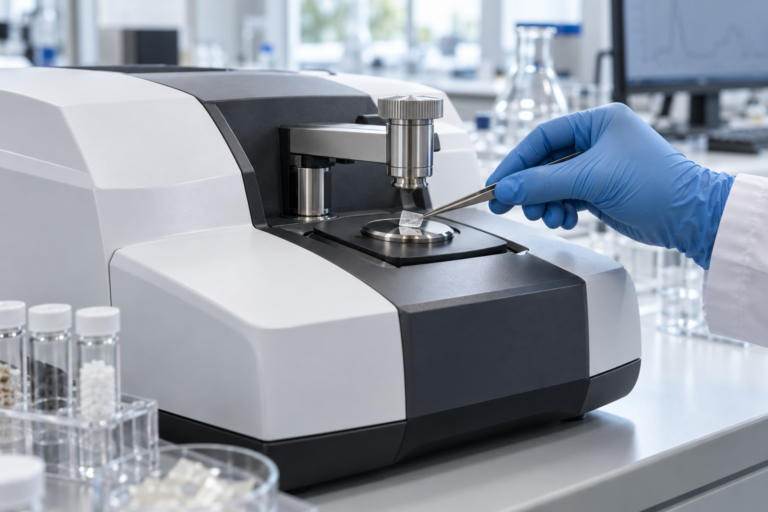
FTIR analyzes samples by passing infrared radiation through them. It measures the intensity of transmitted light, producing a spectrum unique to the chemical structure of the material.
Can be used with liquid samples?
Yes, FTIR can analyze solids, liquids, and gases, making it a versatile tool in various fields, including chemical and environmental analysis.
Is a qualitative or quantitative analysis tool?
FTIR is used for both qualitative and quantitative analysis. It identifies compounds based on their spectral fingerprints and can also quantify concentrations within a sample under controlled conditions.
What is the role of the interferometer in ?
The interferometer creates a pattern of interference from light waves, which a Fourier transform converts into the spectrum used to identify materials.
How does contribute to environmental monitoring?
The method contributes by detecting pollutants in air, water, and soil, facilitating environmental protection efforts through accurate and rapid analysis.
What are some challenges faced in analysis?
Challenges include interference from water in samples and limitations in complete structural analysis, often requiring complementary techniques for comprehensive results.