


Principles, Techniques, and Analytical Applications
Introduction to Chromatography
Chromatography is a fundamental analytical and preparative technique used to separate, identify, and quantify components within complex mixtures. Scientists across chemistry, biology, pharmaceuticals, environmental science, and food testing rely on chromatography to isolate compounds and evaluate their purity. The method enables precise analysis by distributing substances between two phases and exploiting differences in their chemical and physical properties.
Core principles
Chromatography operates through the interaction of two phases: a stationary phase and a mobile phase. The stationary phase remains fixed in place, while the mobile phase carries the sample through the system. Each compound interacts differently with these phases depending on polarity, size, charge, or affinity. As a result, substances travel at different rates and separate into distinct bands or peaks. This controlled separation forms the basis of chromatographic analysis.
Basic components of a Chromatography system
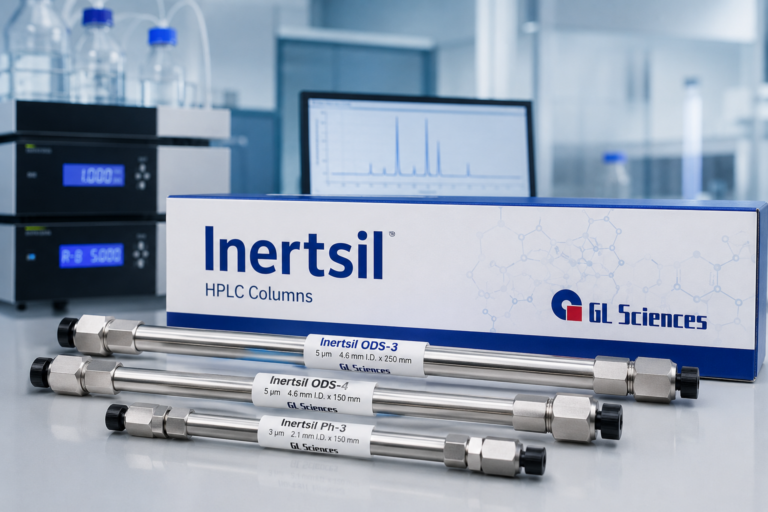
A standard chromatography setup includes a sample introduction system, a mobile phase source, a column or separation medium, and a detector. The column contains the stationary phase where separation occurs. The detector monitors eluting compounds and converts their presence into measurable signals. Data processing software then translates these signals into chromatograms that display retention times and peak intensities.
Major types
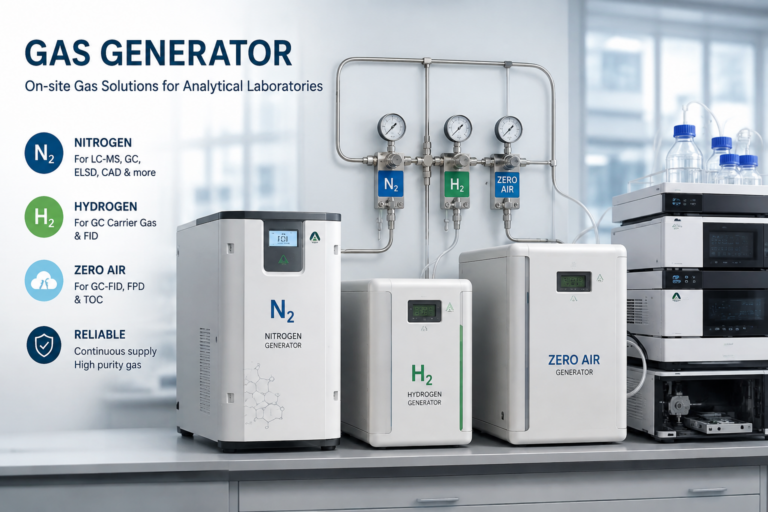
Chromatography includes several specialized techniques tailored to different analytical needs. Gas chromatography separates volatile compounds using an inert gas as the mobile phase and provides high resolution for small organic molecules. Liquid chromatography, including high-performance liquid chromatography, handles non-volatile or thermally unstable substances and supports pharmaceutical and biochemical analysis. Thin-layer and paper chromatography offer simple, rapid screening tools, while ion-exchange, size-exclusion, and affinity chromatography focus on charge, molecular size, or specific binding interactions.
Applications in scientific and industrial fields
Chromatography supports a wide range of applications. In pharmaceuticals, it verifies drug purity and stability. In environmental laboratories, it detects contaminants in water and soil. In food science, it measures additives, residues, and nutritional compounds. In biotechnology, it purifies proteins, enzymes, and antibodies. The versatility of chromatography makes it an essential tool for both research and quality control.
Advantages of Chromatography
Chromatography provides high sensitivity, reproducibility, and selectivity. It allows separation of complex mixtures into individual components and supports both qualitative and quantitative analysis. Modern instruments enable automated workflows, precise control of operating conditions, and rapid processing of multiple samples. These features improve efficiency while maintaining analytical reliability.
Method development and optimization
Effective chromatography requires careful selection of stationary phases, mobile phases, flow rates, and detection methods. Scientists often adjust these parameters to improve resolution, shorten run times, and enhance sensitivity. Proper method development ensures accurate separation and minimizes interference between compounds.
Limitations and practical considerations
Despite its strengths, chromatography demands technical expertise and proper maintenance. Sample preparation, solvent purity, and column performance directly affect results. Instrument costs and consumables may also influence operational budgets. Users must follow standardized procedures to maintain accuracy and reproducibility.
Role in modern analytical science
Today, chromatography remains one of the most important tools in analytical laboratories worldwide. Advances in detector technology, automation, and software continue to expand its capabilities and improve performance. As analytical requirements grow more complex, chromatography provides the precision and flexibility needed to meet modern scientific demands.
Conclusion
Chromatography delivers a robust and reliable approach to separating and analyzing chemical and biological substances. By combining controlled separation mechanisms with sensitive detection, the technique supports accurate decision-making across numerous scientific disciplines. Its continued development ensures that chromatography will remain central to analytical science for years to come.