The core of precise liquid chromatography performance
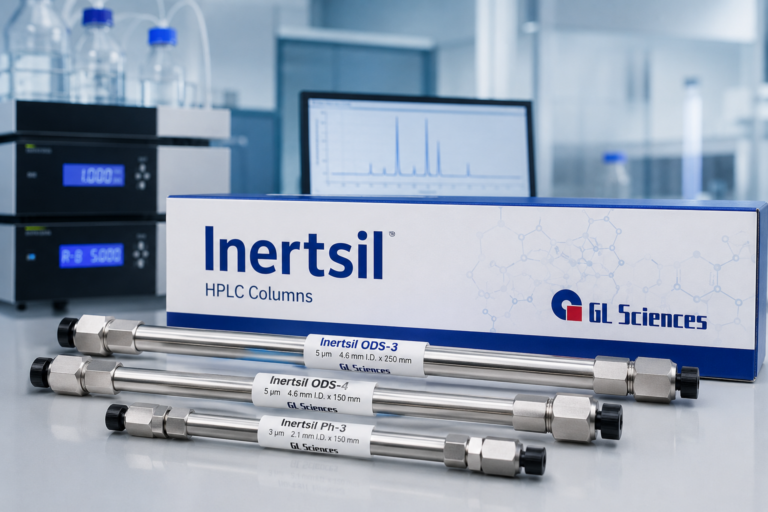
HPLC columns are one of the most important components in any liquid chromatography system because they directly influence separation quality, resolution, reproducibility, and overall analytical performance. On Ophir Analytical’s site, HPLC columns are presented as a key product category within a broader chromatography portfolio that also includes GC columns, sample preparation, and related laboratory solutions. The company also describes itself as a long-standing supplier of analytical instruments and chromatography products since 1991.
Why HPLC columns matter so much
In practical laboratory work, the column is where the separation actually happens. Even when the instrument, detector, and method are well selected, the quality of the result still depends heavily on the column. Ophir Analytical’s own HPLC column page explains that these columns play a central role in separation quality, resolution, and analytical accuracy. That is exactly why laboratories pay close attention to column chemistry, dimensions, and operating suitability when building or optimizing a method.
The column is where selectivity begins
An HPLC method is only as effective as the stationary phase inside the column. Different analytes interact differently with the column chemistry, and those interactions determine how compounds separate from one another during the run. Ophir Analytical’s chromatography content emphasizes that the column contains the stationary phase where separation occurs, while industry reference material from Phenomenex notes that factors such as bonded phase chemistry, particle size, and pore size strongly affect chromatographic performance. This makes HPLC columns central not only to separation, but also to method development and method reliability.
Choosing the right HPLC columns depends on the application
Not every laboratory needs the same type of column. The right choice depends on the sample, the analytes of interest, the method goals, and the system being used. In general, laboratories may need columns designed for routine analytical work, higher-efficiency separations, biological samples, or specialized modes such as ion exchange, reversed phase, or size exclusion. Ophir Analytical’s site shows that it serves analytical laboratories through dedicated chromatography categories, while technical references from Tosoh Bioscience illustrate how HPLC and UHPLC columns are selected according to separation mode, particle characteristics, and application requirements.
Performance is influenced by more than one parameter
When evaluating HPLC columns, laboratories usually consider more than just brand or size. Column dimensions, particle size, pore size, and stationary phase chemistry all affect efficiency, backpressure, retention, and selectivity. Phenomenex explains that smaller particles can improve efficiency and resolution, but they also tend to increase backpressure, which means the column has to match the capabilities of the HPLC system. That is why proper column selection is not simply a purchasing decision, but part of method design and instrument compatibility.
HPLC columns support consistency in analytical laboratories
One of the biggest priorities in analytical work is reproducibility. Laboratories need methods that produce stable and trustworthy results over time, especially in regulated, industrial, or quality-focused environments. HPLC columns contribute directly to that consistency because they define the separation path for the analytes being measured. Ophir Analytical positions its chromatography offering around reliable laboratory solutions, which fits the needs of customers who depend on repeatable results in day-to-day analytical work.
A broader chromatography partner adds value
Another important point is that column selection rarely happens in isolation. Laboratories often need related support such as sample preparation tools, fittings, syringes, or additional chromatography products. Ophir Analytical’s website presents HPLC columns within a larger analytical workflow that includes chromatography instruments, GC columns, sample preparation, and valves and selectors. For many labs, that broader product environment is useful because it supports continuity across the full analytical setup rather than focusing on one component alone.
HPLC columns are central to method quality
In the end, HPLC columns are not just accessories. They are one of the defining elements of chromatographic method performance. They influence how well compounds separate, how accurate the analysis will be, and how robust the workflow remains over time. For laboratories working with analytical chromatography, choosing the right column is one of the most important technical decisions in the process. Ophir Analytical’s dedicated HPLC column category reflects that importance and positions the product as a core part of professional analytical laboratory work.