Dissolution Testing: Apparatus, Conditions and Best Practices

Dissolution testing is one of the most important quality control tests for solid oral dosage forms. It measures how much active ingredient a tablet or capsule releases over time under controlled conditions. For pharmaceutical laboratories in Israel, a reliable dissolution test supports batch release, formulation development, stability studies and regulatory submissions. What Dissolution Testing Shows […]
Raman Spectrometer
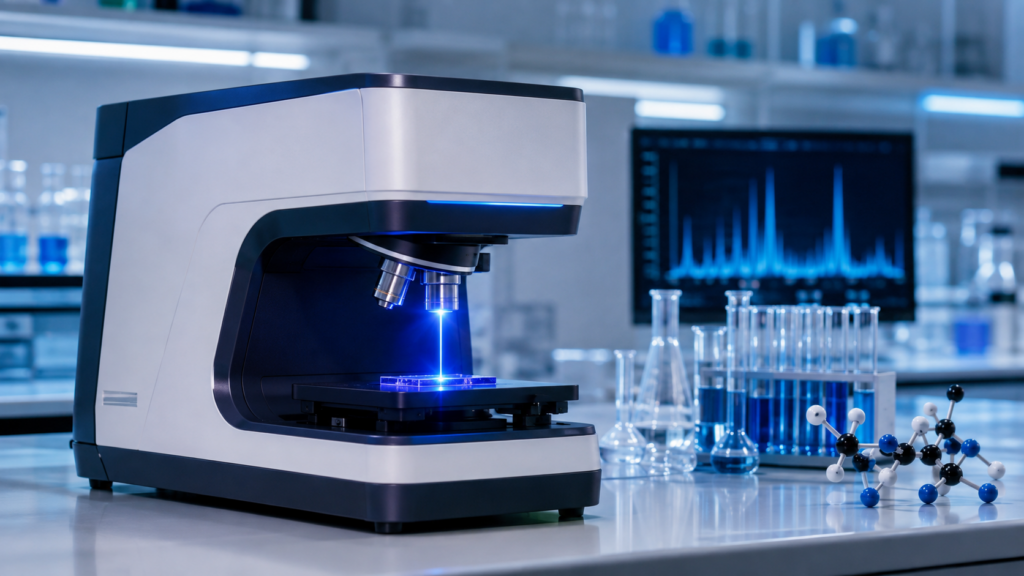
Principles, Applications and Laboratory Selection A Raman Spectrometer is an analytical instrument used to identify and characterize materials by measuring how monochromatic light interacts with molecular vibrations. Raman spectroscopy provides detailed chemical and structural information while often requiring little or no sample preparation, making it a valuable technique for research, quality control, pharmaceutical laboratories and […]
Spectrophotometer
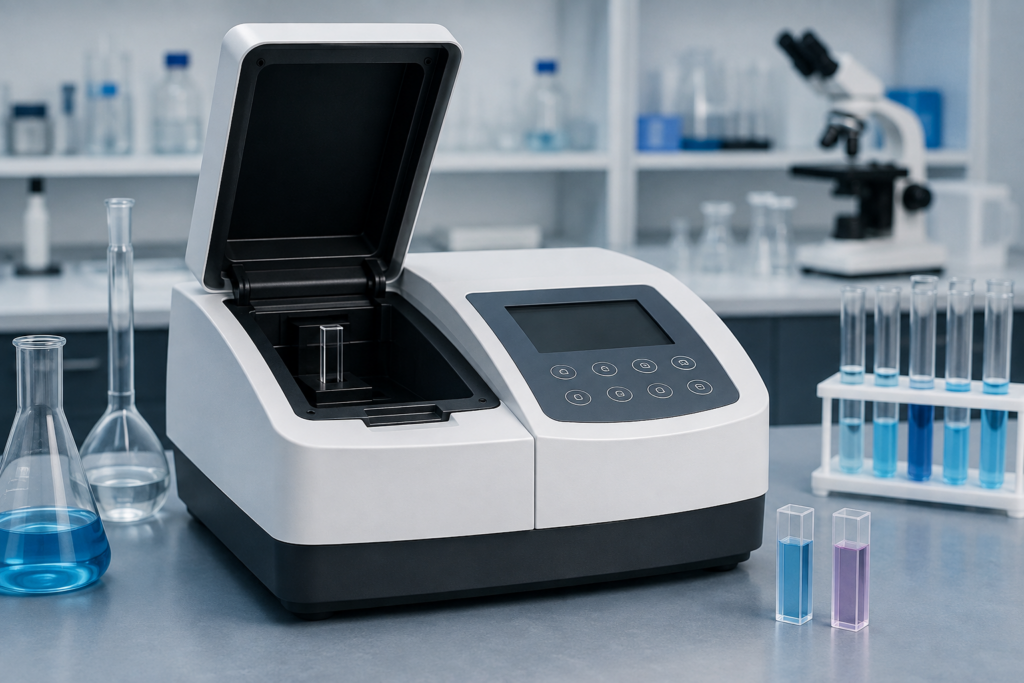
A Practical Guide for Analytical Laboratories A spectrophotometer is one of the most widely used analytical instruments for measuring how a sample interacts with light. It is commonly used in quality control, research, pharmaceutical, chemical, environmental, industrial, and academic laboratories for quantitative and qualitative analysis. By measuring the amount of light absorbed or transmitted by […]
Inertsil HPLC Columns
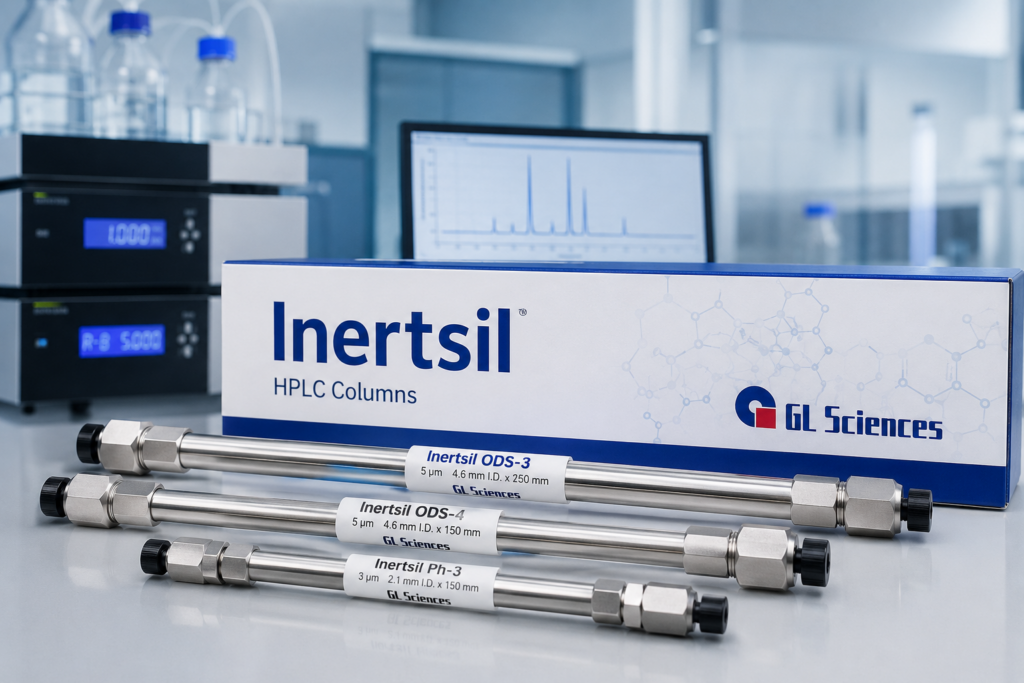
A Professional Guide to Selection, Performance, and Applications Inertsil is an established family of high-performance liquid chromatography columns developed by GL Sciences for analytical and preparative separation workflows. The product range includes several stationary-phase chemistries for reversed-phase chromatography, HILIC, normal-phase chromatography, size-exclusion applications, and other specialized separation modes. Choosing the correct Inertsil column can have […]
Gas Generator for Analytical Laboratories
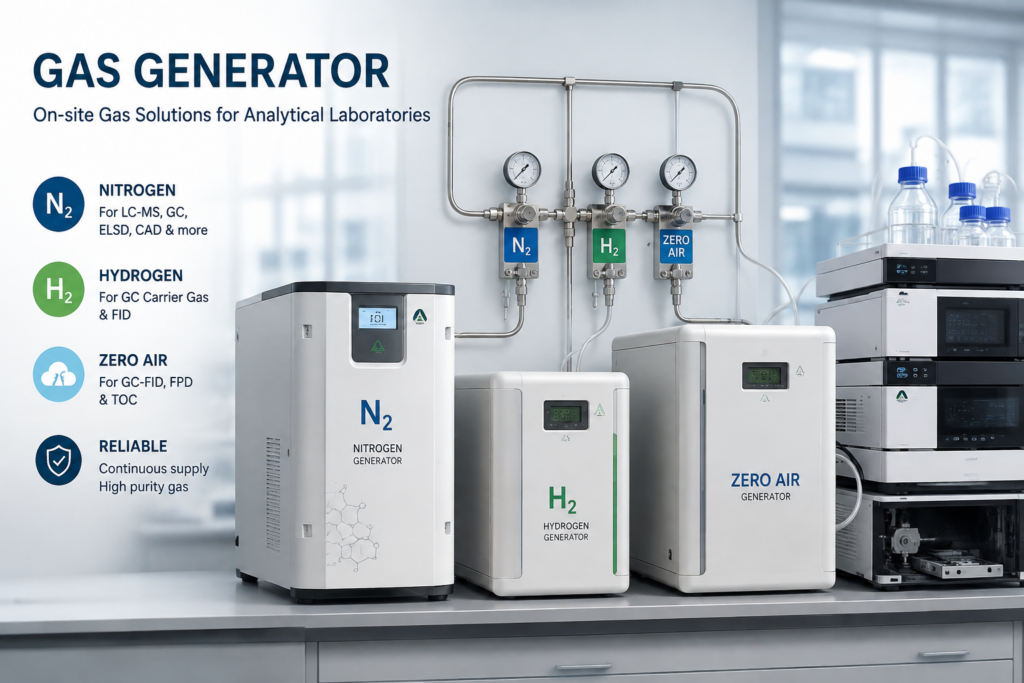
A Complete Selection Guide A gas generator provides laboratories with a controlled supply of gas directly at the point of use. Instead of depending entirely on delivered cylinders, the system produces nitrogen, hydrogen, zero air or another required gas on demand. Laboratory gas generators are commonly matched to analytical applications such as GC, GC-MS, LC-MS, […]
D2 Lamp
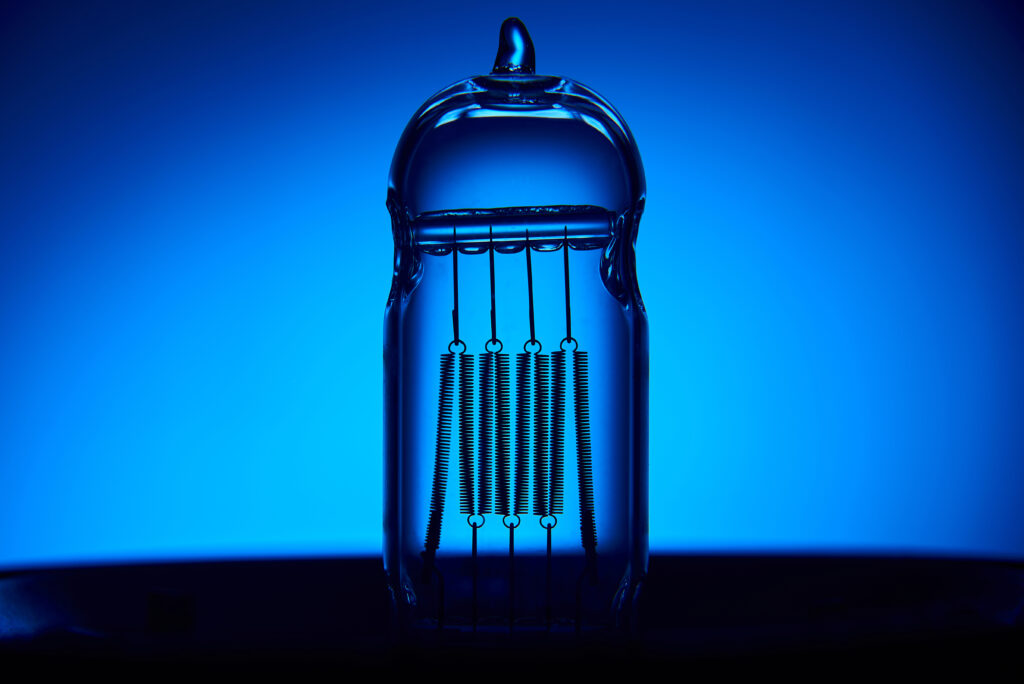
What It Is, How It Works, and Why It Matters in UV Analytical Instruments A D2 lamp, also known as a deuterium lamp, is a specialized ultraviolet light source used in analytical instruments such as UV-Vis spectrophotometers, HPLC UV detectors, and diode array detectors. It provides stable UV radiation for absorbance measurements, chromatographic detection, and […]
Quartz Cuvette
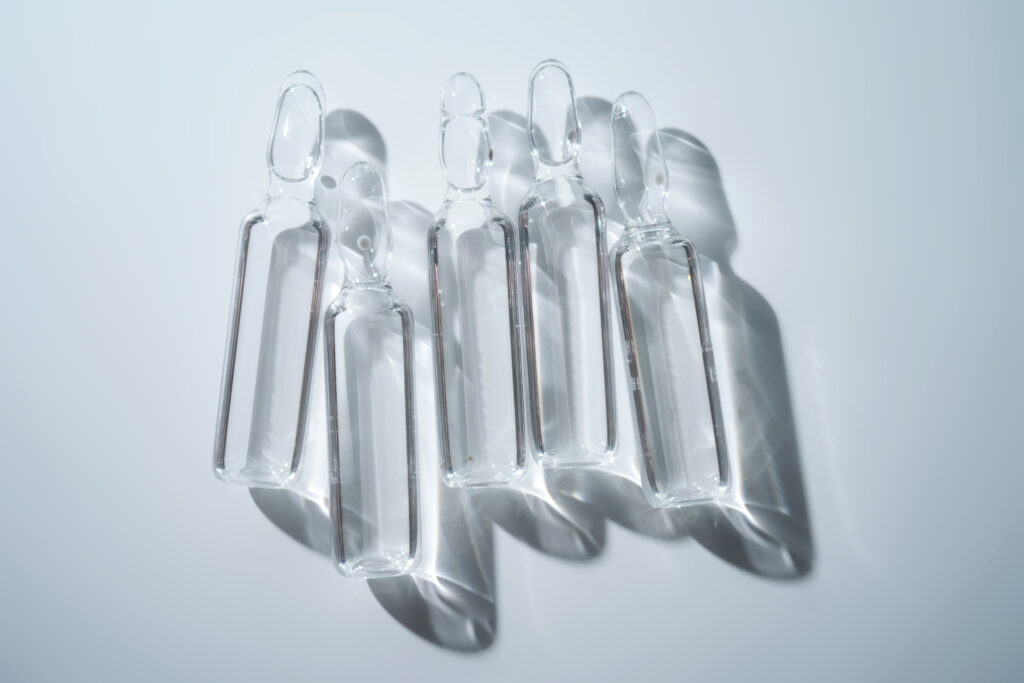
What It Is, How It Works, and How to Choose the Right One In UV-Vis spectroscopy and optical laboratory analysis, the quality of the measurement depends not only on the instrument itself, but also on the sample holder used during the analysis. For users searching for Cuuvette quartz, the correct professional term is quartz cuvette, […]
HPLC columns
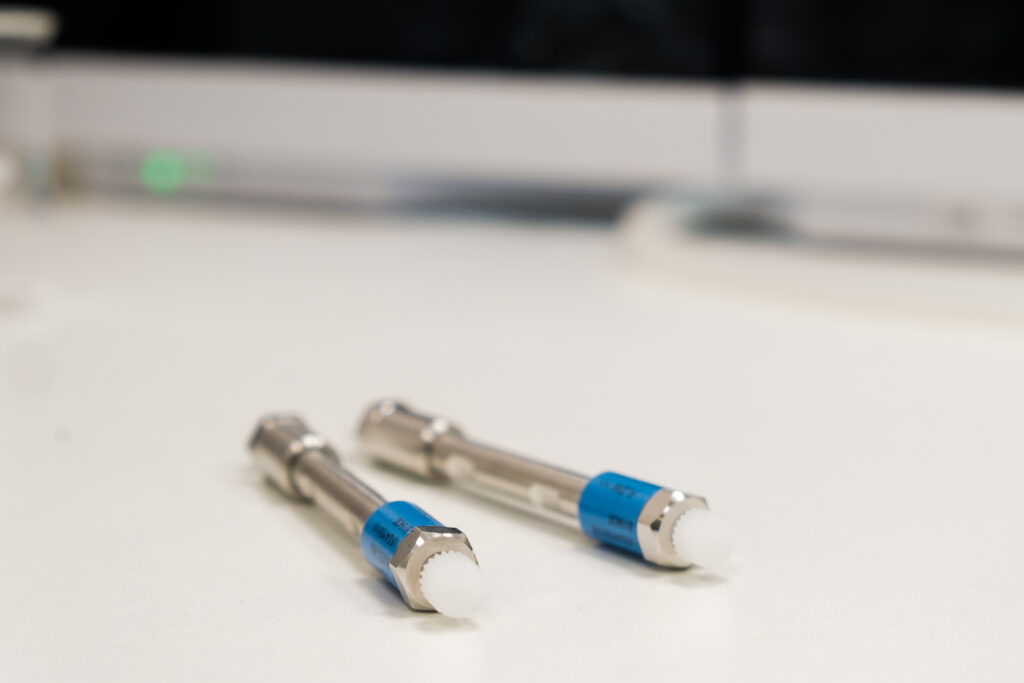
The core of precise liquid chromatography performance HPLC columns are one of the most important components in any liquid chromatography system because they directly influence separation quality, resolution, reproducibility, and overall analytical performance. On Ophir Analytical’s site, HPLC columns are presented as a key product category within a broader chromatography portfolio that also includes GC […]
GC Chromatograph for Accurate, Reliable, and Scalable Laboratory Analysis

Why a GC Chromatograph remains essential in modern analytical laboratories A GC Chromatograph is one of the most important instruments in laboratories that need precise separation, identification, and quantification of volatile and semi-volatile compounds. Gas chromatography is widely used across industries such as environmental testing, petrochemicals, pharmaceuticals, food analysis, and industrial quality control because it […]
Peptide purification
Turn Peptide Purification into a Competitive Advantage Peptide purification is rarely “just a downstream step” — it often determines whether a process will be productive, robust, and economically viable. With peptides varying widely in size, hydrophobicity, secondary structure, and impurity profiles, a one-size-fits-all approach can quickly lead to low recovery, long cycle times, and costly […]